An untapped fuel source for Europe’s Resilience
Intermediate crops and crops grown on severely degraded land are ready-to-scale feedstocks for Europe’s renewable fuel targets and growing bioeconomy. Already cultivated in parts of Europe, they have significant potential to expand further, complemented by certified imports where European production cannot yet meet demand. They create new income opportunities for farmers, strengthen European biofuels value chains, support domestic processing and refining, and require no additional land.
Our Mission
The Alliance’s members include seed companies, feedstock producers, oilseed crushers, refiners, fuel producers, fuel suppliers, and fuel users across multiple transport modes. Representing almost the entire spectrum of the renewable fuels value chain, we are working to ensure that intermediate crops and crops grown on severely degraded land, grown in Europe and responsibly imported, reach their full potential, supporting farmers, supply-chain resilience and the European renewable fuels value-chain.
-
We bring together peer-reviewed research, EU Commission modelling and industry data from across our membership into a single, evidence-led position.
-
We engage policymakers, the agricultural sector and end users, advocating for a workable certification framework under the Renewable Energy Directive (IR 2022/996), making the case for the contribution of these feedstocks to the EU’s strategic objectives.
-
We connect growers, processors and investors across the renewable fuels value chain to create value for the agricultural sector and ensure access to renewable fuels for end-users.

A more diverse feedstock base exists. It just isn’t mobilised yet.
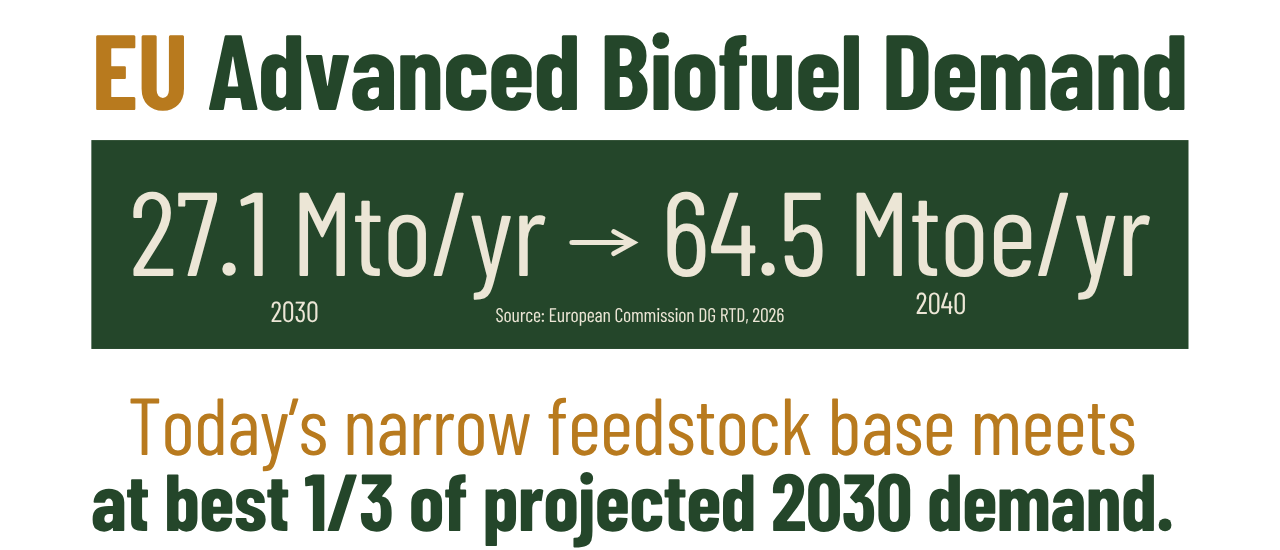
Europe’s transport decarbonisation targets are set to roughly double advanced biofuel demand within a decade.
Yet today’s supply still leans heavily on a narrow pool of feedstocks such as used cooking oil and animal fats.
Intermediate crops and crops grown on severely degraded land can broaden this base. They already qualify in principle under RED III’s Annex IX, but a lack of policy and certification clarity keeps them from being mobilised at scale.
To meet Europe’s ambitious transport decarbonisation targets, unlocking more feedstocks for advanced renewable fuels is essential.

Two ready-to-scale solutions
Intermediate crops
-
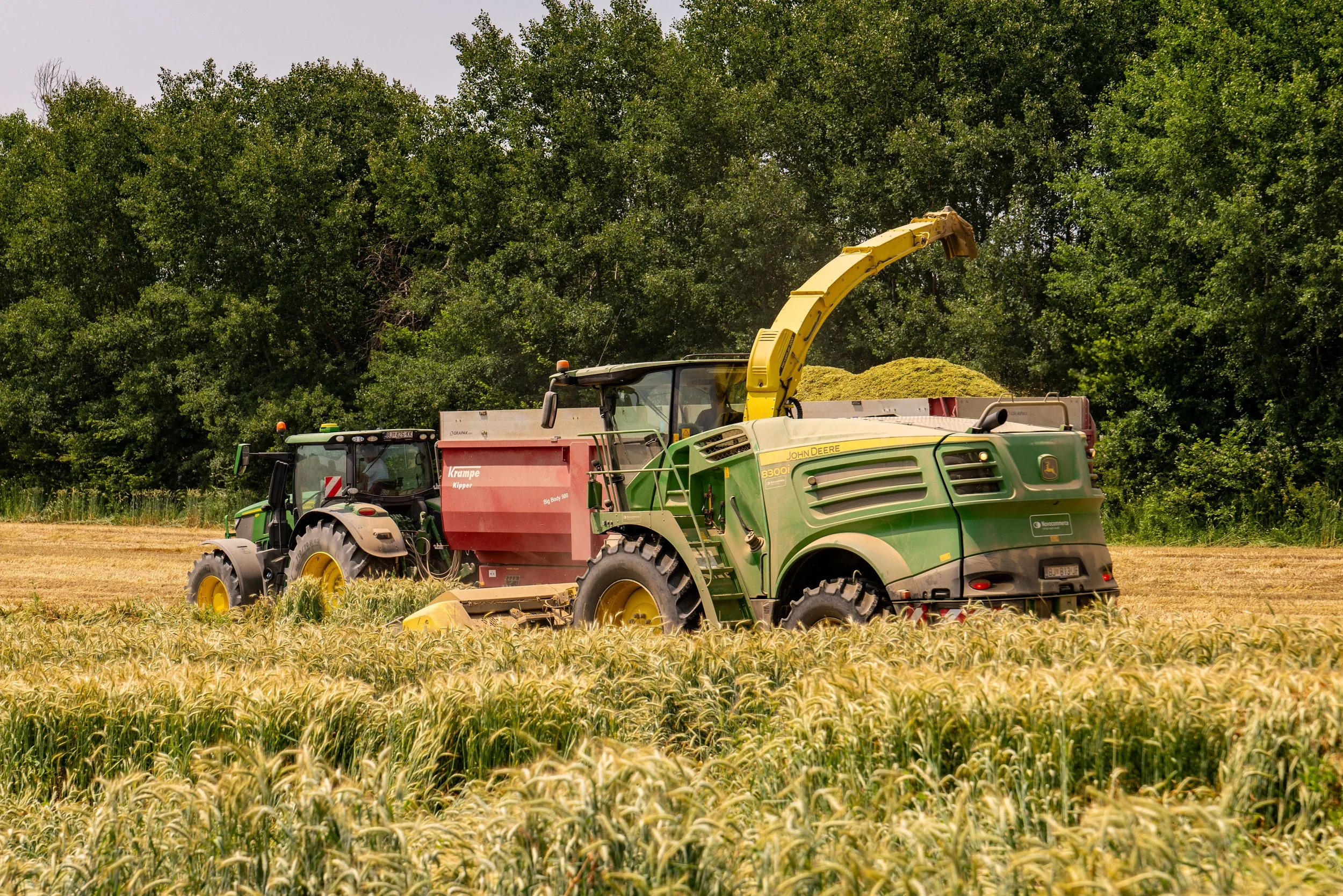
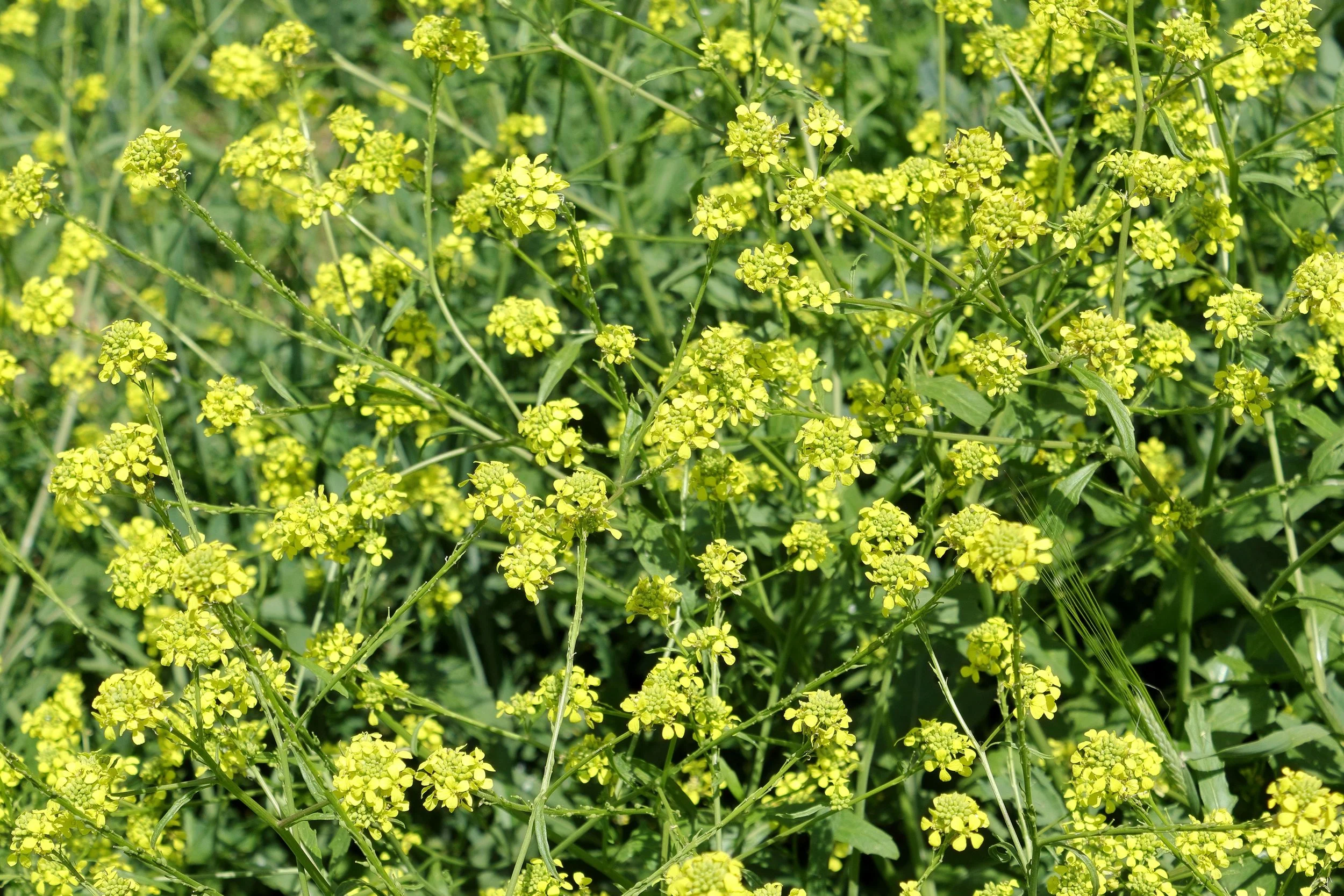
Intermediate crops grow between the main crops’ harvest and next planting, making productive use of land that would otherwise lie fallow. They deliver an additional harvest from the same field, while helping improve soil health and avoiding the need to clear or convert new land.
Crops grown on severely degraded land
-
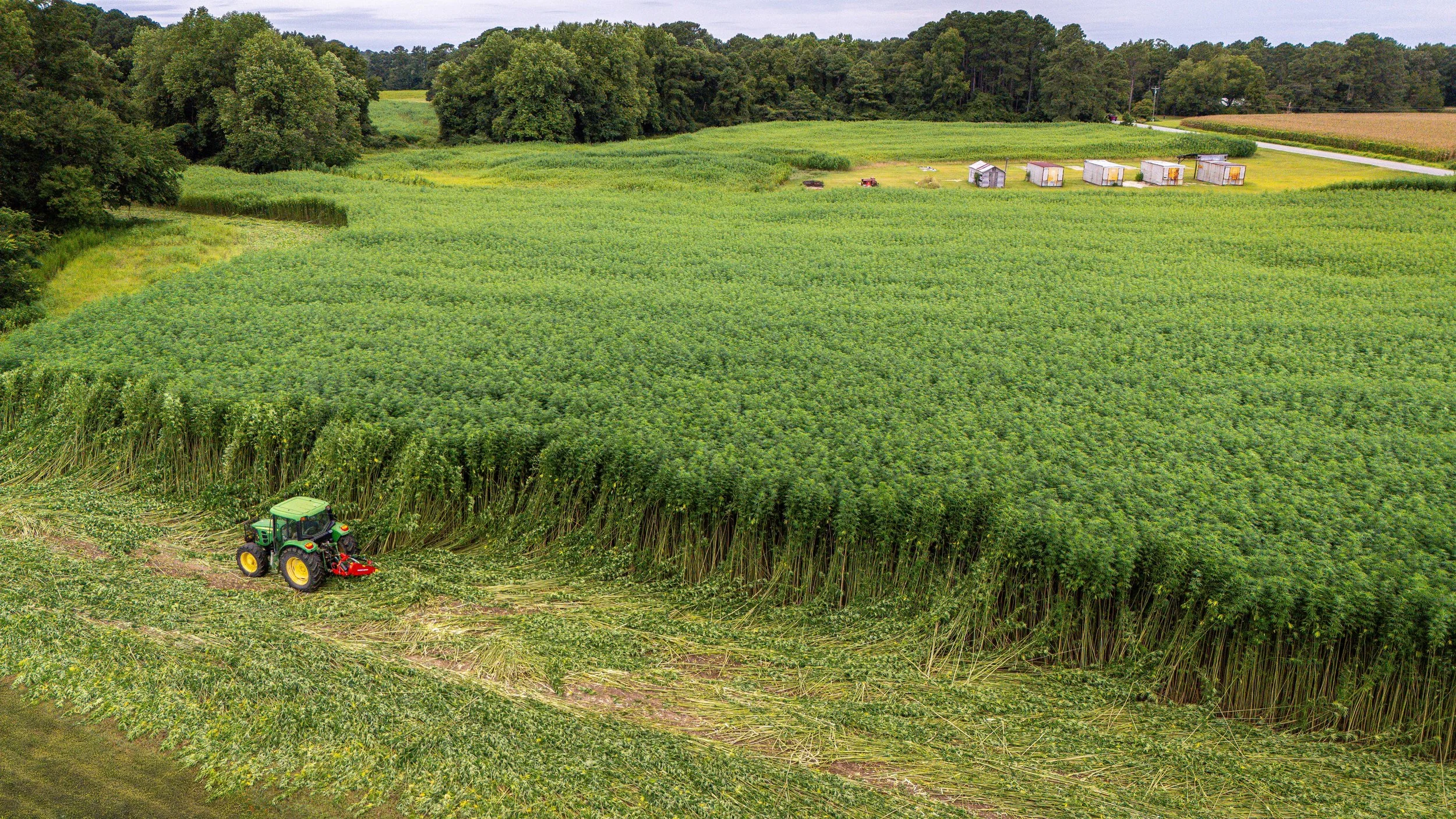
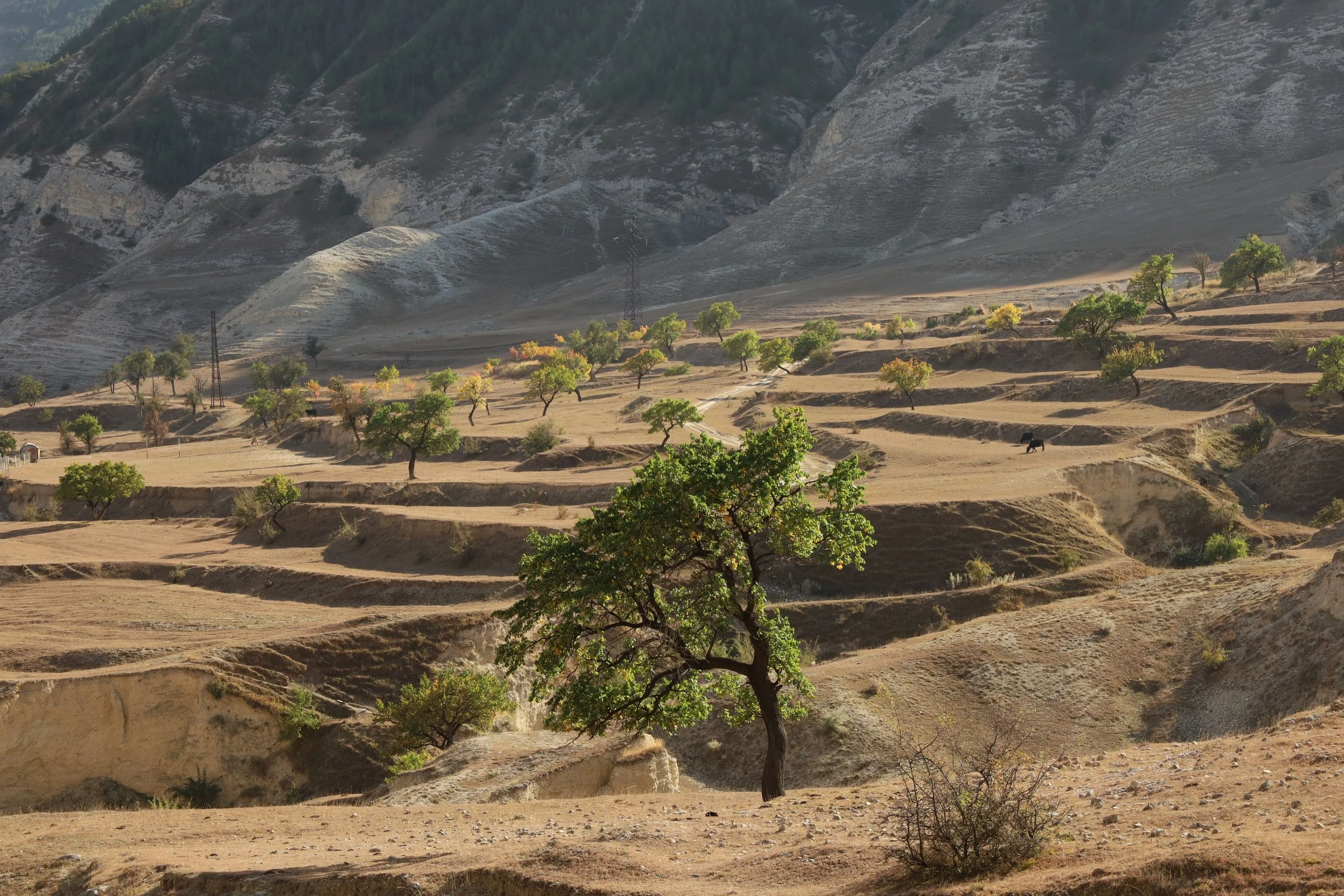
These crops can grow on severely degraded land is marginal, non-irrigated and low in organic carbon, with limited capacity for productive food or feed cultivation. Once verified against defined agronomic criteria, it can be brought back into productive use without creating new demand for land.
The value chain

Seed and crop development


Cultivation and harvesting

Feedstock collection and processing

Refining

Renewable fuel production

Transport end-uses

Co-products (e.g. animal feed)
The Opportunity
With the right rules in place, intermediate crops and crops grown on severely degraded land can help deliver the EU’s strategic objectives by making its renewable fuel supply chain more diversified and resilient, creating new opportunities for farmers and supporting transport decarbonisation.
-
![]()
-
![]()
Supply-chain resilience
These feedstock broaden and diversify the EU’s supply base, lowering reliance on an already-stretched pool of feedstocks and strengthening security of supply as demand grows.
-
![]()
European value chains
With an estimated €8.5–11.6 billion in capital investment this decade alone, these crops can support European processing, refining, while stimulating investment in the EU’s growing bioeconomy sector.
-
![]()
Clean Transition
By enabling the broader availability advanced biofuels, these crops can have a direct contribution to cutting the GHG intensity of aviation, maritime transport, heavy-duty and agriculture machinery.